Quick Answer: Dry mist sanitisation (fogging) not only disinfects soft toys and upholstered furnishings but also leaves surfaces dry, meaning rooms can be used immediately after treatment. This method is already recognised in healthcare infection‑control protocols as a proven way to reduce microbial contamination.
🧸 Why Soft Materials Are High‑Risk
Soft toys, cushions, and upholstered furnishings are beloved in childcare centres — but they’re also germ magnets. Unlike hard surfaces, fabric fibres trap:
Bacteria from hands, spills, and sneezes
Viruses that linger on porous surfaces
Dust mites and allergens
Residues from food, paint, and play
Children cuddle, share, and drag these items everywhere, making them one of the highest‑risk carriers of illness in the room.
Traditional Cleaning Methods
For non‑machine washable items, two common approaches are used:
Wipe with a damp sponge and pH‑neutral detergent
Removes visible dirt and light residues
Gentle on fabrics, safe for children
Must be dried thoroughly before reuse
Spray with disinfectant diluted in water
Provides surface‑level disinfection
Effective against many pathogens
Requires drying time and only treats the item itself
Both methods are useful, but they are time‑consuming and limited to individual items.
A Faster, Better Way: Dry Mist Spraying (Fogging)
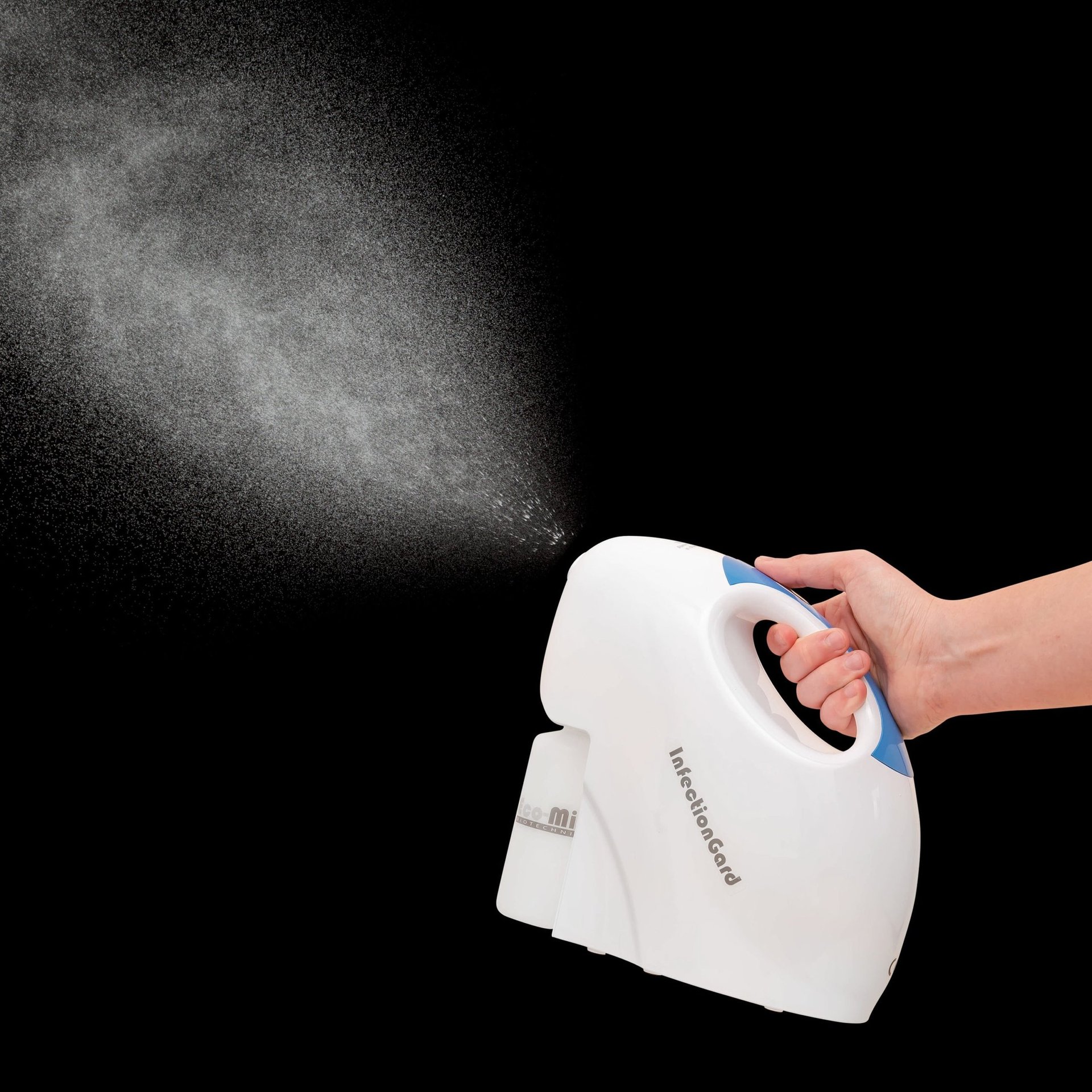
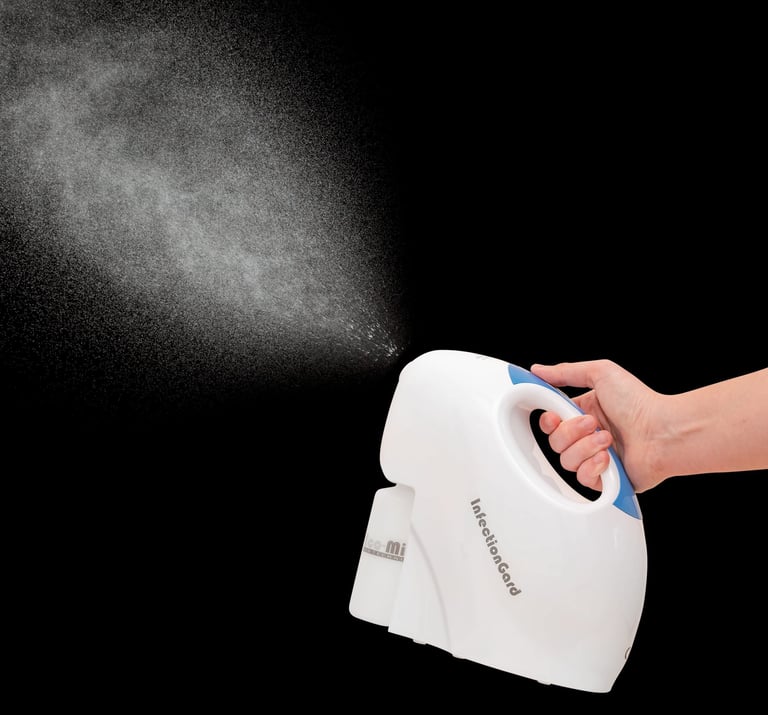
Fogging is a professional infection‑control technique already used in healthcare and aged care settings. It disperses a fine mist of disinfectant into the air, settling evenly across all surfaces — including soft toys and upholstered furnishings.
Benefits of fogging:
Disinfects entire rooms in the same time it takes to spray a few items
Reaches hidden fibres and crevices that wiping or spraying can miss
Leaves surfaces dry — no wait time before rooms can be used again
Reduces cross‑contamination risk by treating every surface at once
Saves time and labour, making compliance more achievable
Industry Evidence from Healthcare
Healthcare organisations have long recognised the effectiveness of dry mist sanitisation:
The Australian Guidelines for the Prevention and Control of Infection in Healthcare recommend environmental cleaning methods that reduce transmission risks across all surfaces Australian Commission on Safety and Quality in Health Care.
A 2024 study found that scheduled dry fogging in healthcare wards significantly reduced airborne microbial contamination, proving its effectiveness in real‑world infection control victoriahygiene.com.au MDPI.
The NSW Health Infection Prevention and Control Policy Directive (2023) outlines mandatory requirements for infection‑control cleaning, with fogging listed as a viable disinfection method in high‑risk environments NSW Health.
Key Takeaway
Soft toys and upholstered furnishings are high‑risk carriers of germs in childcare centres. While wiping and spraying are useful, fogging offers a faster, more comprehensive solution — disinfecting both the items and the entire room in one step, leaving surfaces dry and ready for immediate use.
Childcare centres should consider adopting healthcare‑style fogging protocols to ensure infection‑control cleaning is professional, efficient, and effective and cost effective
Sources: Australian Commission on Safety and Quality in Health CareAustralian Commission on Safety and Quality in Health Care; victoriahygiene.com.auVictoria Hygiene – Dry Fogging Guide; MDPIMDPI study on antimicrobial dry fog; NSW HealthNSW Health Infection Prevention and Control Policy Directive.